Broadcasting Sovereignty: Krav Maga Berlin on National Television (April 2026)
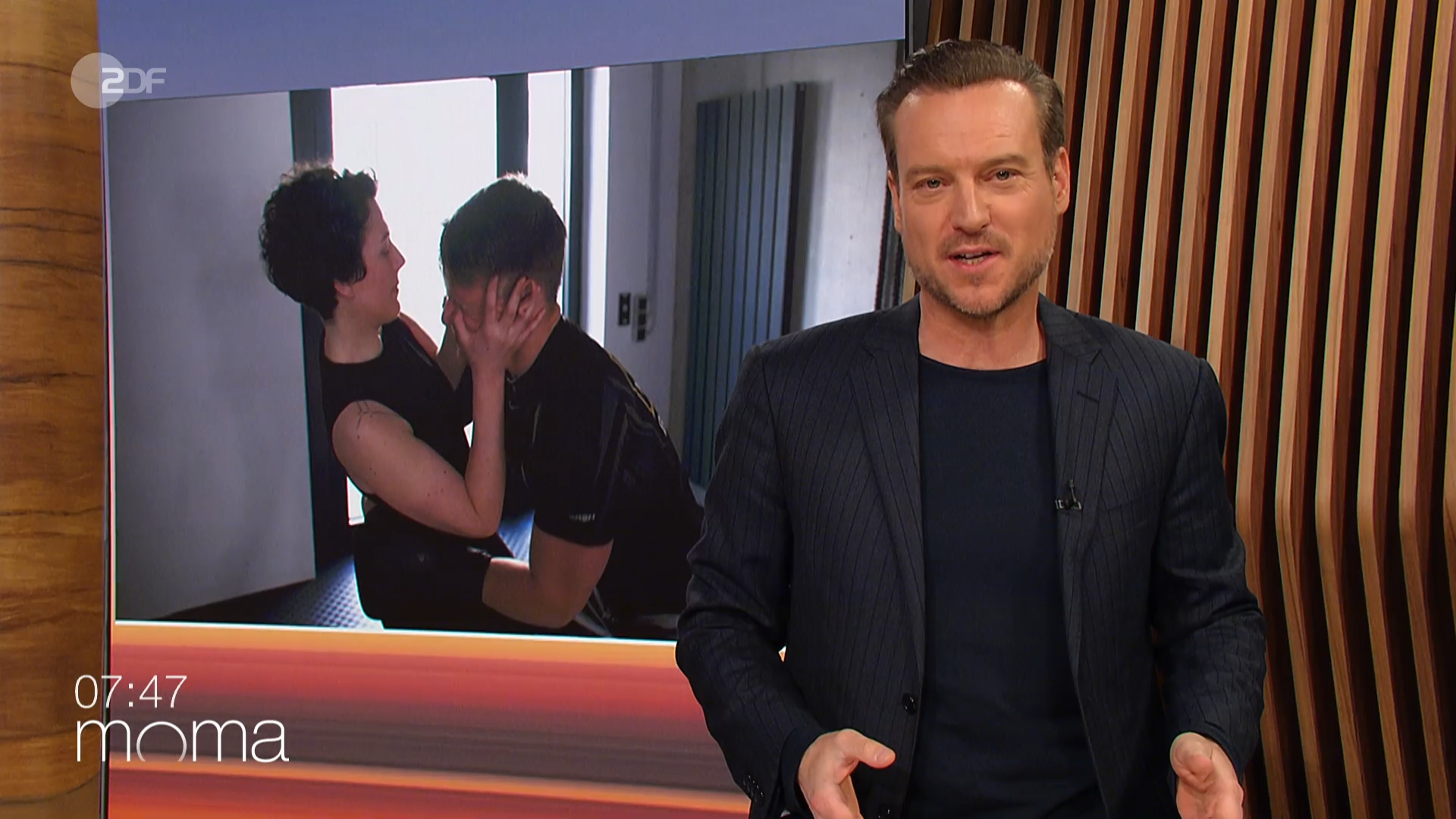
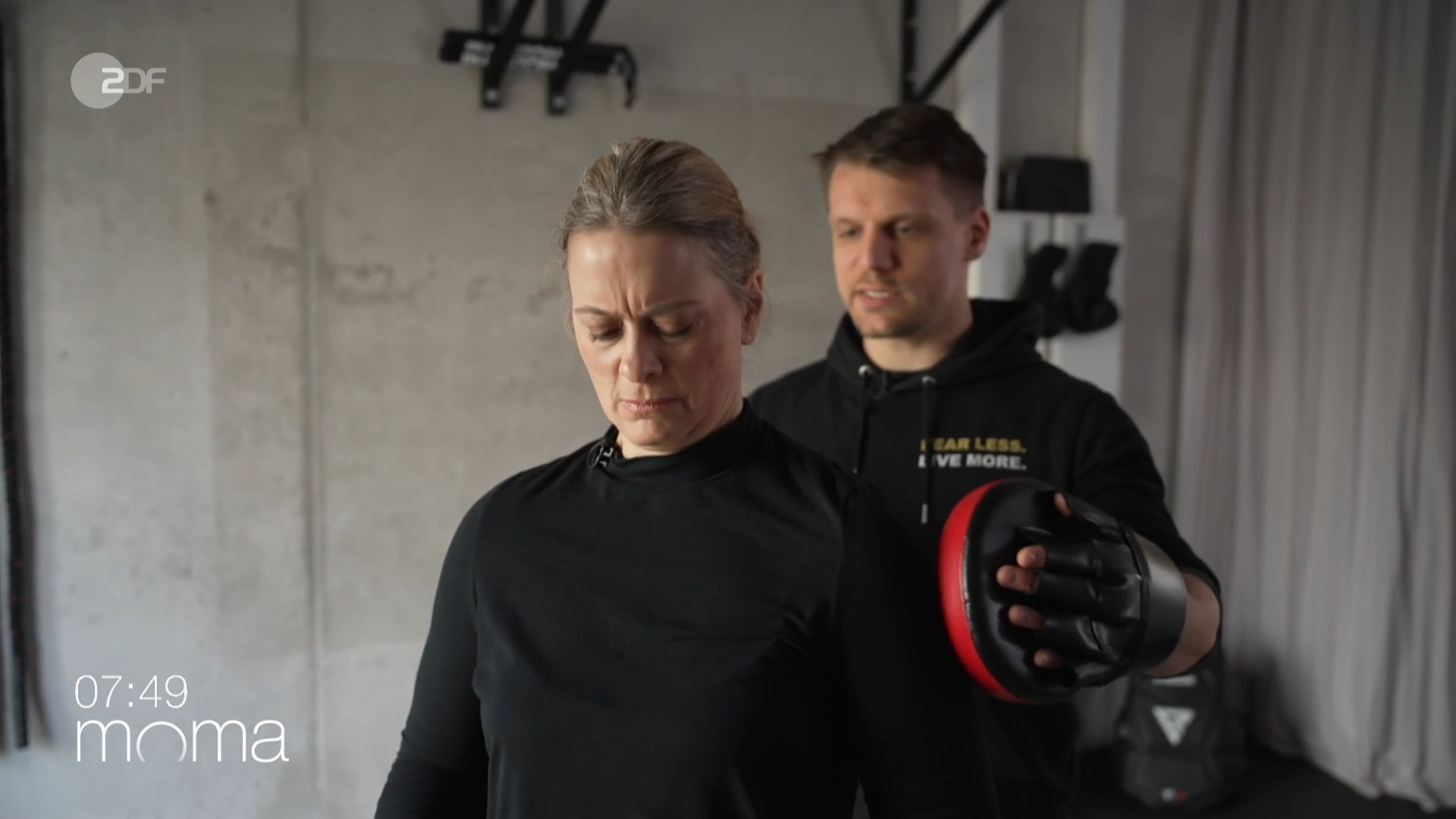
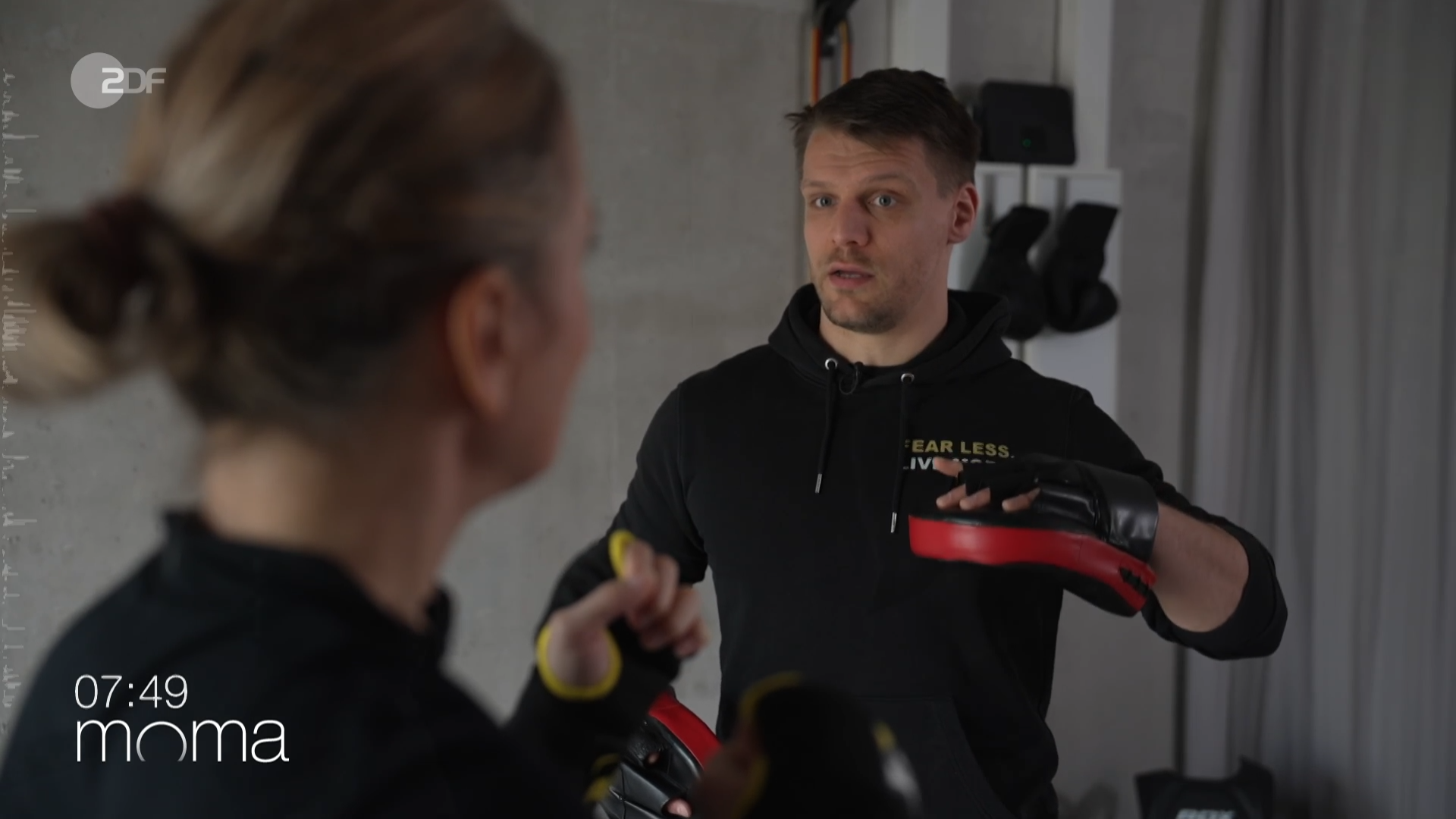
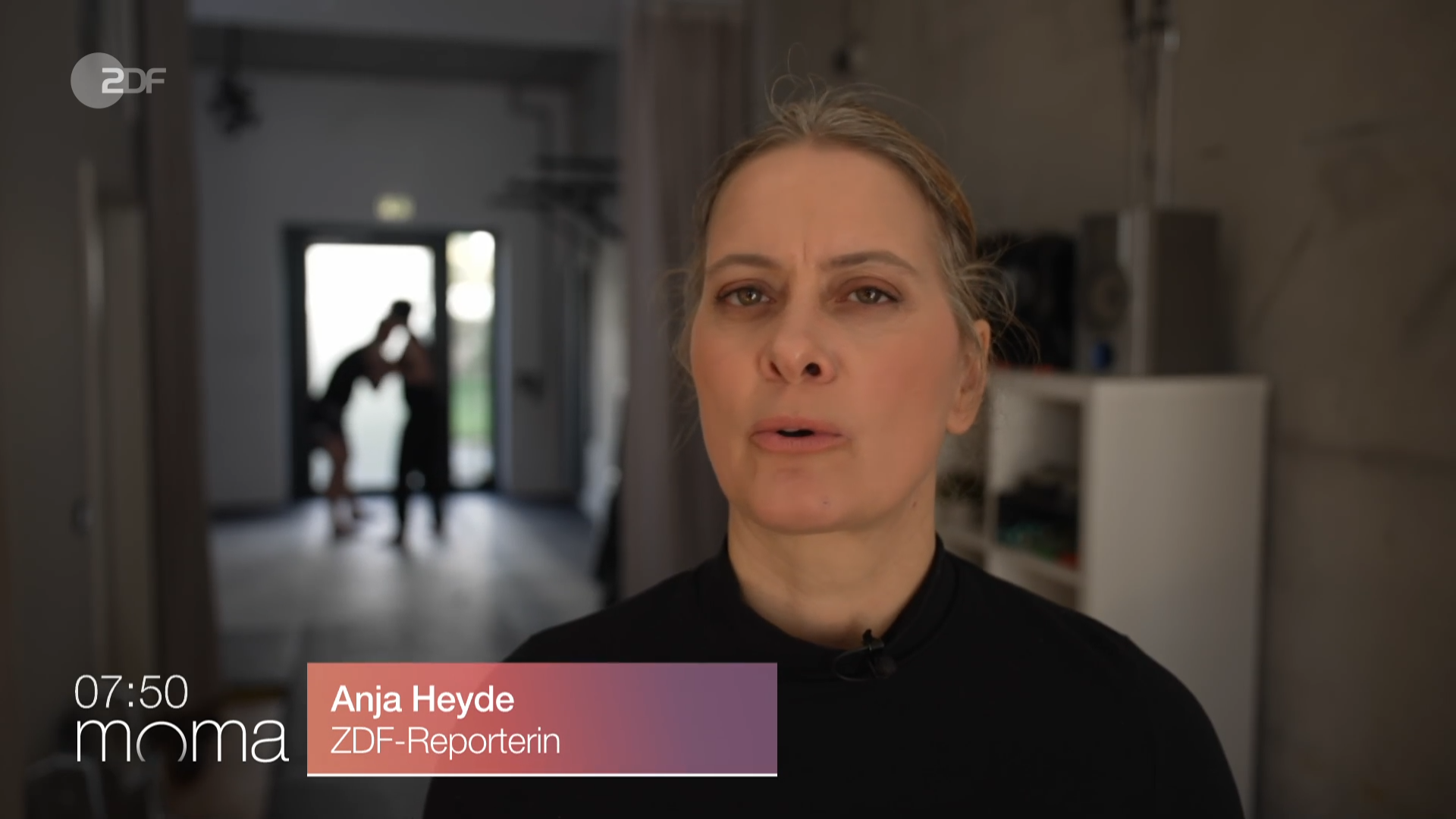
On March 16, 2026, I received an email from journalist Anja Heyde. She was working on a segment for the ZDF Morgenmagazin (MoMa) and wanted to explore a topic that hits at the very core of why I do what I do. Her opening premise was simple and relatable: "I have a problem. I’m just too nice." We spent about four hours together in the dojo on April 7th. It wasn't a grueling day of elite training, but rather a focused, often lighthearted window into how we rethink personal safety. Anja wanted to see if someone who typically "smiles away" discomfort could learn to occupy their own space.
The Message on the Mats
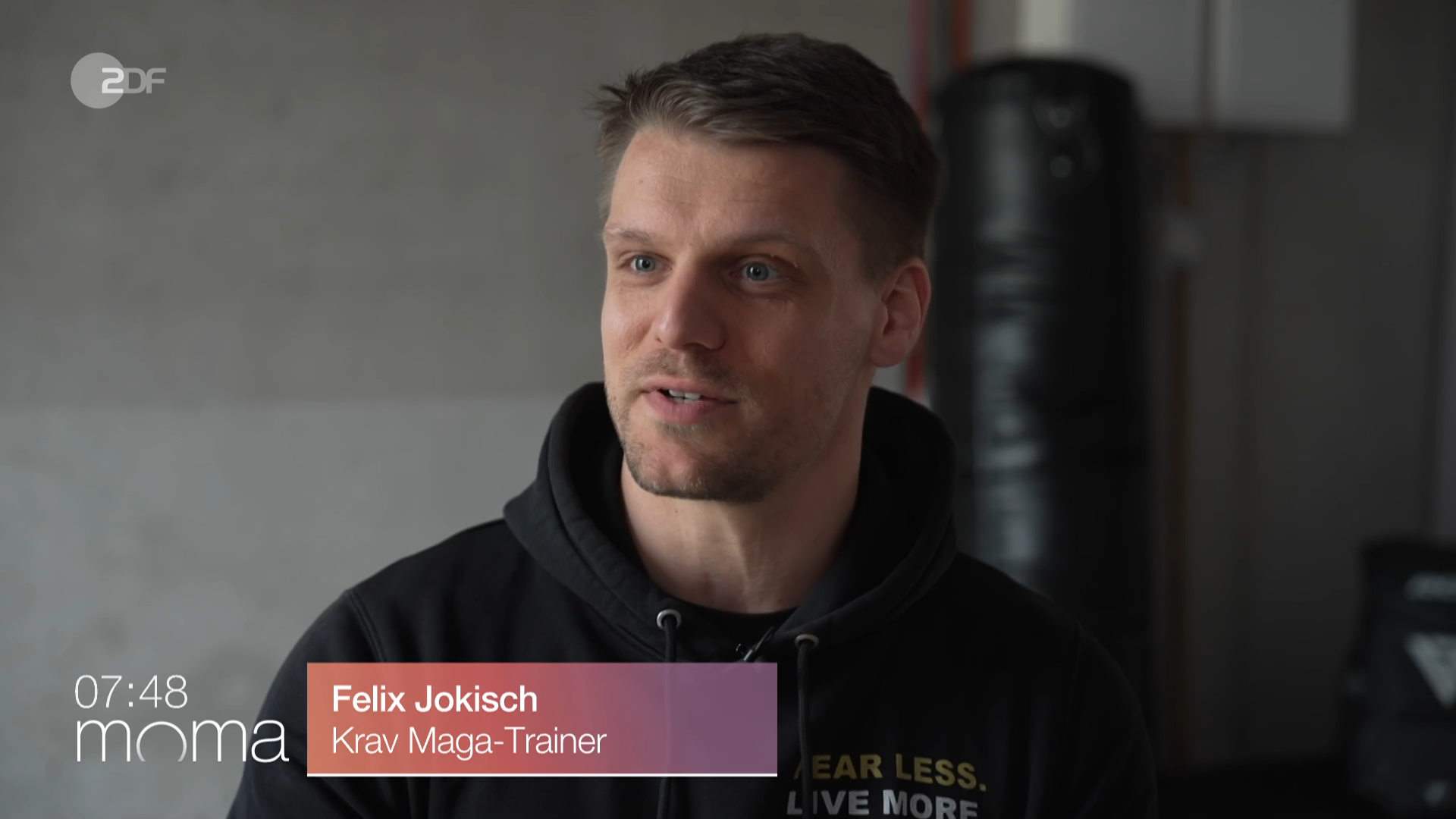
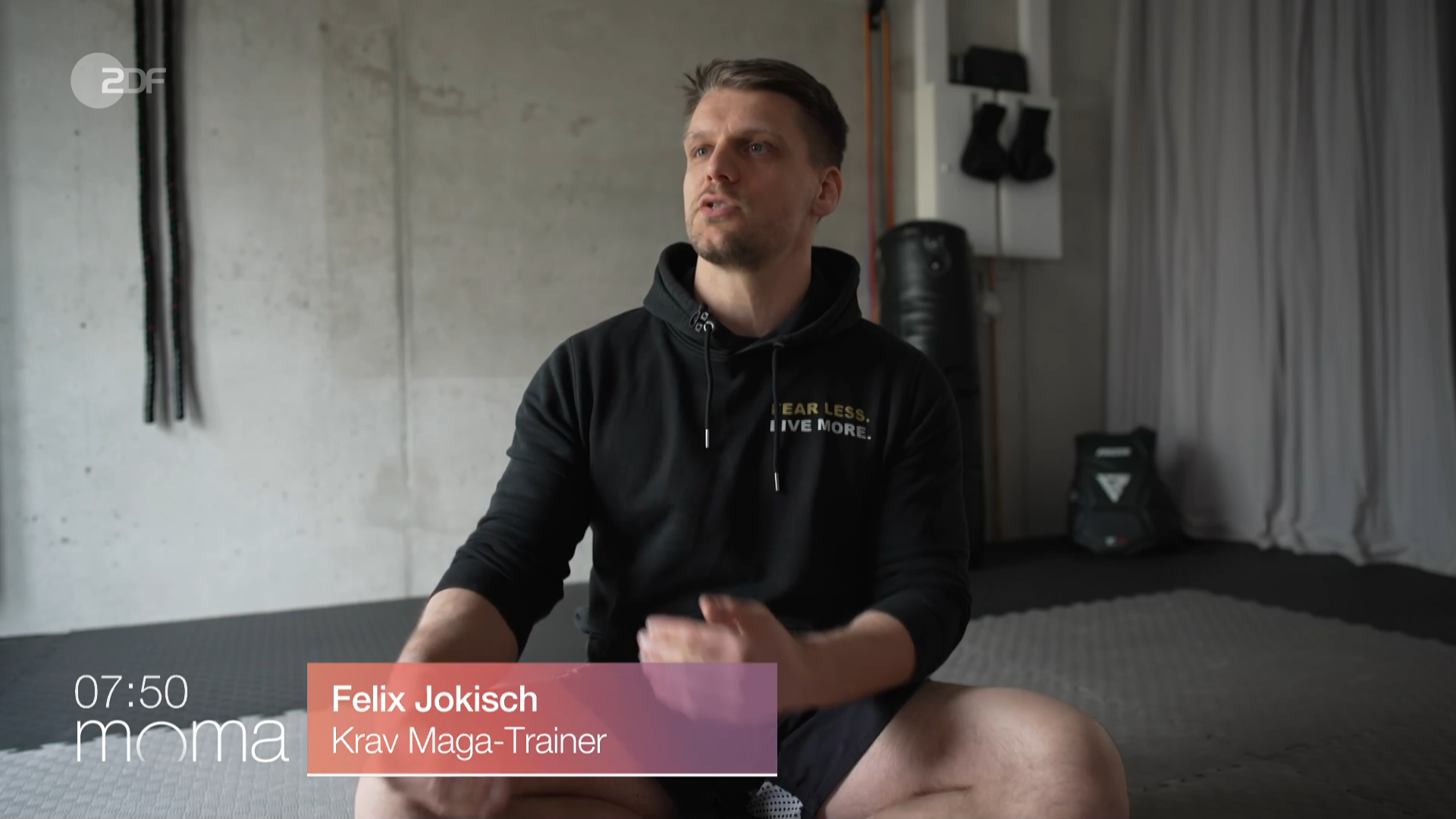
When the cameras are rolling, there’s always a temptation to make things look "cinematic" or overly aggressive. But that’s not what we do here. I wanted to show the viewers at home that Krav Maga isn't about being a "tough guy" - it’s about pragmatic solutions for people who simply want to take responsibility for their own well-being.
During the shoot, I shared with Anja that my students generally fall into three categories:
Those looking for a workout that’s more engaging than a standard gym.
Those who live by the "better safe than sorry" principle.
Those who have already experienced a boundary violation and have decided: Never again.
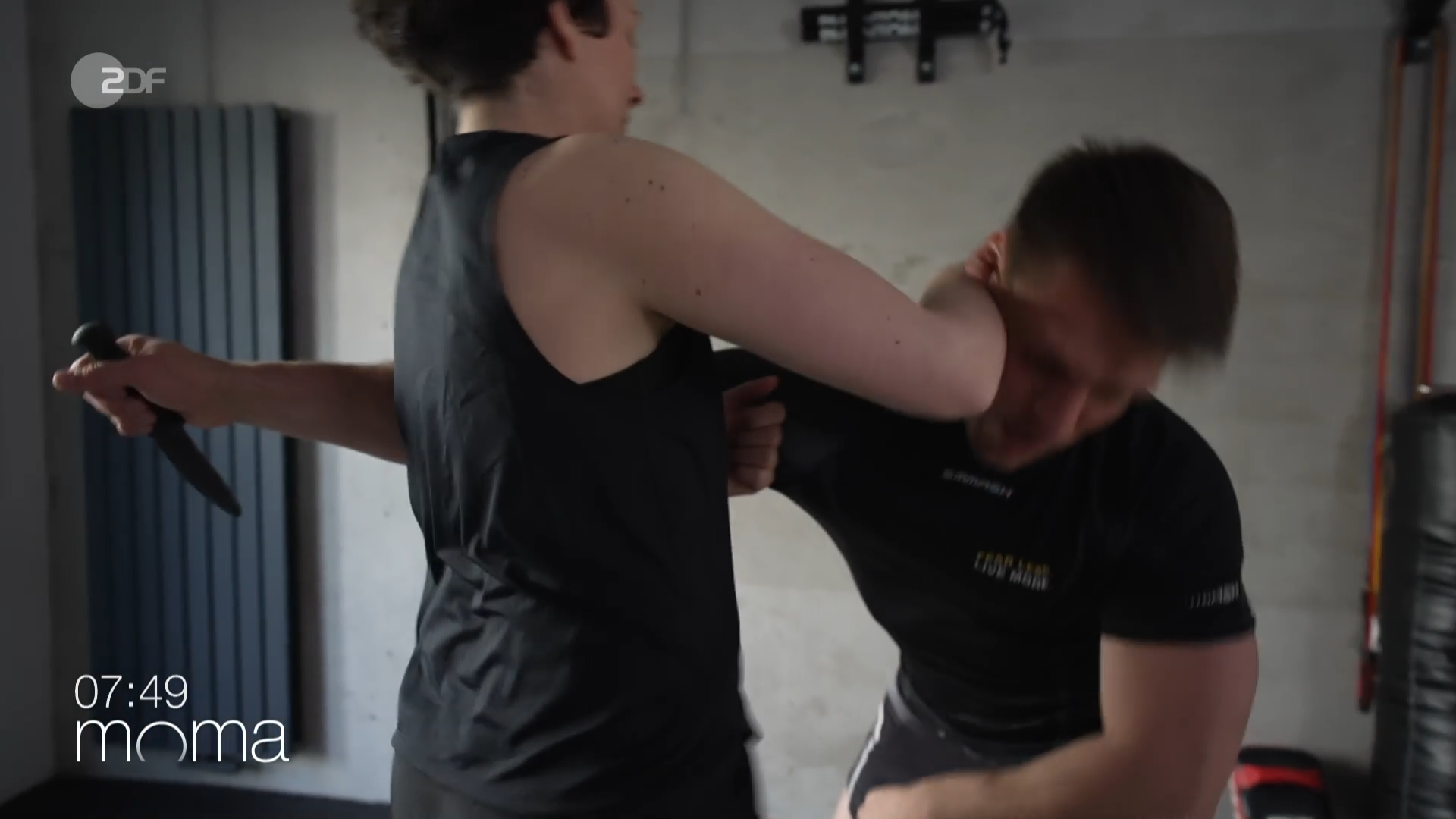
Watching Anja realize that an elbow between us wasn't just a "move," but a physical boundary that gave her room to breathe, was a great moment. It’s the same "click" I see in my private sessions every week.
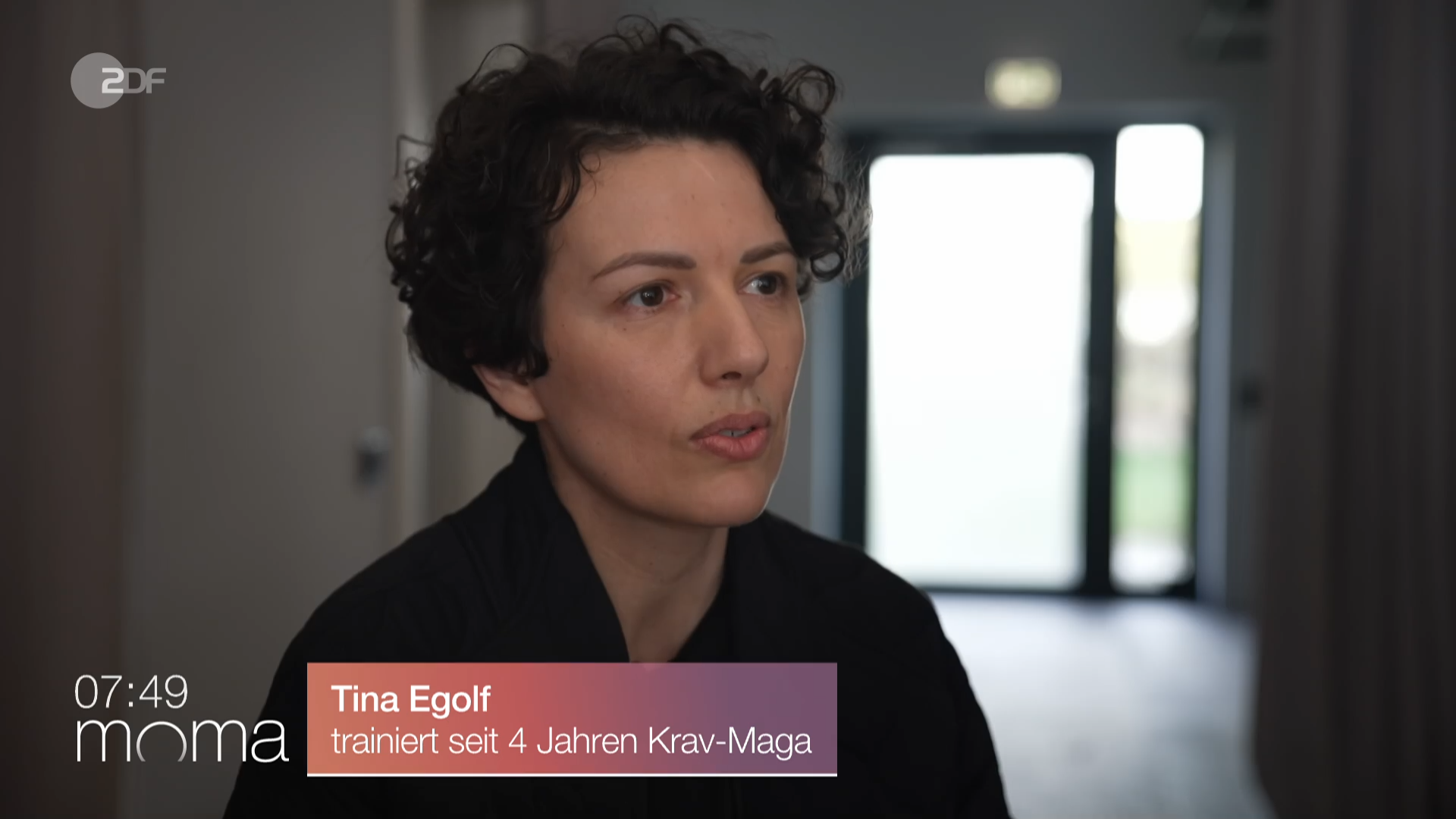
A Legacy in Practice: Tina’s Perspective
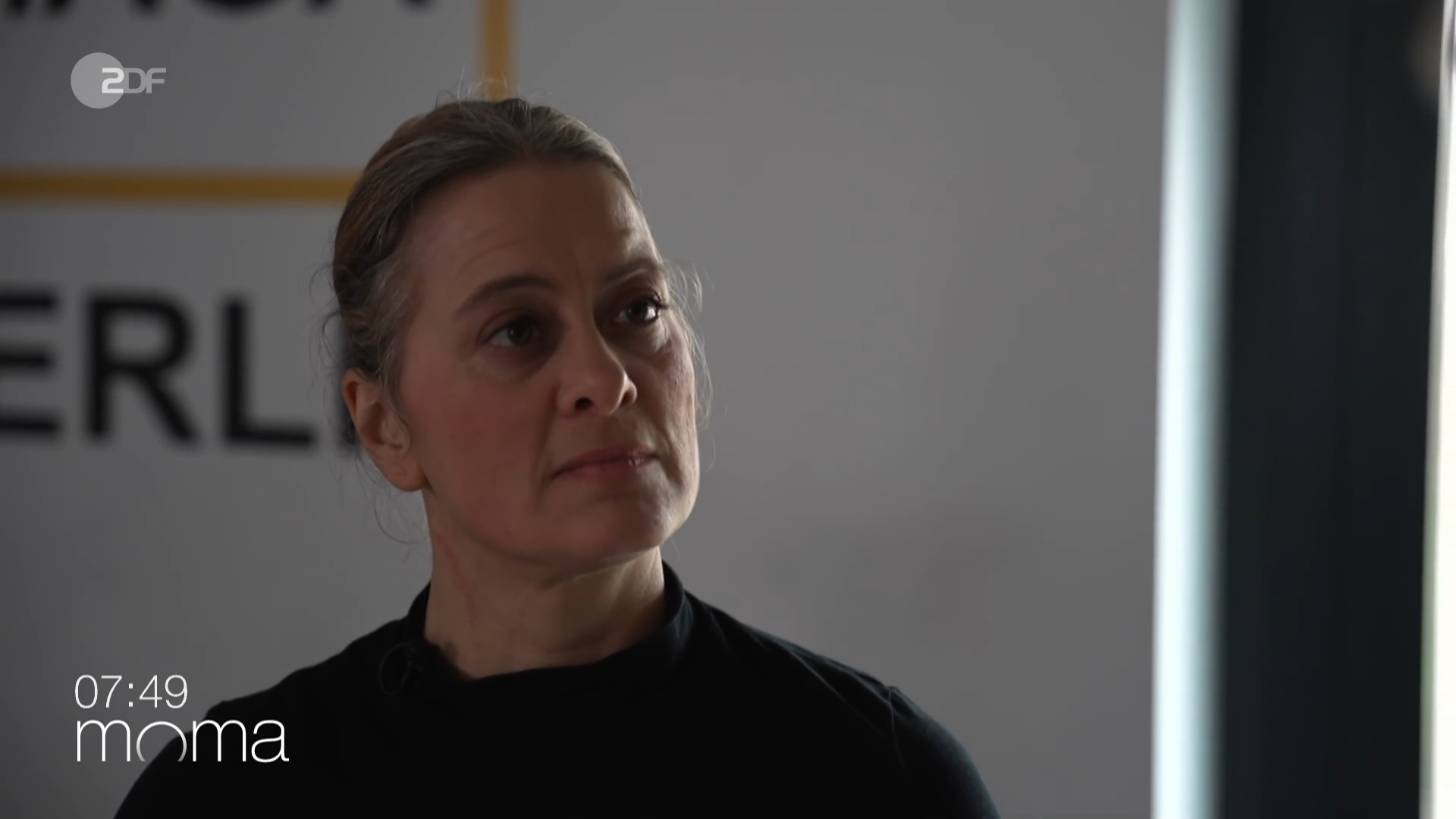
The highlight of the shoot for me wasn't my own interview, but seeing my student Tina Egolf step in front of the lens. Tina has been training with me for years, and she appeared in our "Why I Fight" video back in 2024. Hearing her explain to a national audience how her physical training has translated into "mental sovereignty" in her professional life was a proud moment for me as a coach. When she said, "If you provoke me... I have something to put against that," it perfectly illustrated the evolution we strive for: moving from a place of "freezing" to a place of "functioning."
Key Takeaways from the Broadcast
If I had to boil down what we shared during those four hours of filming into a few simple lessons for the viewers, they would be:
Technique Over Power: Imi Lichtenfeld designed this system for the small and the outnumbered. You don't need to be an athlete to defend yourself; you need to target vulnerabilities that cannot be hardened, like the nose or the throat.
The "No Rules" Reality: An assault isn't a sport. If someone attacks you unfairly, you don't owe them a "fair" response. You use whatever works to get home safely.
The Standard: Because "Krav Maga" isn't a protected term, I advised viewers to look for certifications and organizations that act as a seal of quality. A good trainer should adapt to you, not just "run their program" regardless of who is in front of them.
Final Thoughts
The report aired on April 29th, and while it was a milestone for KMB to be featured on such a large platform, the most important takeaway remains the one Anja reached at the end of our session. She realized that you can still be a "nice person" while possessing the ability to set a hard line when necessary. I’ve always believed that true confidence doesn't come from being loud, it comes from knowing your own value.
You choose when to be kind, and you know exactly how to be dangerous when you must.
Watch the Segment:
The report is available in the ZDF Mediathek. Our feature begins at the 35:35 mark: » ZDF Morgenmagazin - April 29, 2026 «